The Tacoma Method
hometown hate (and love)

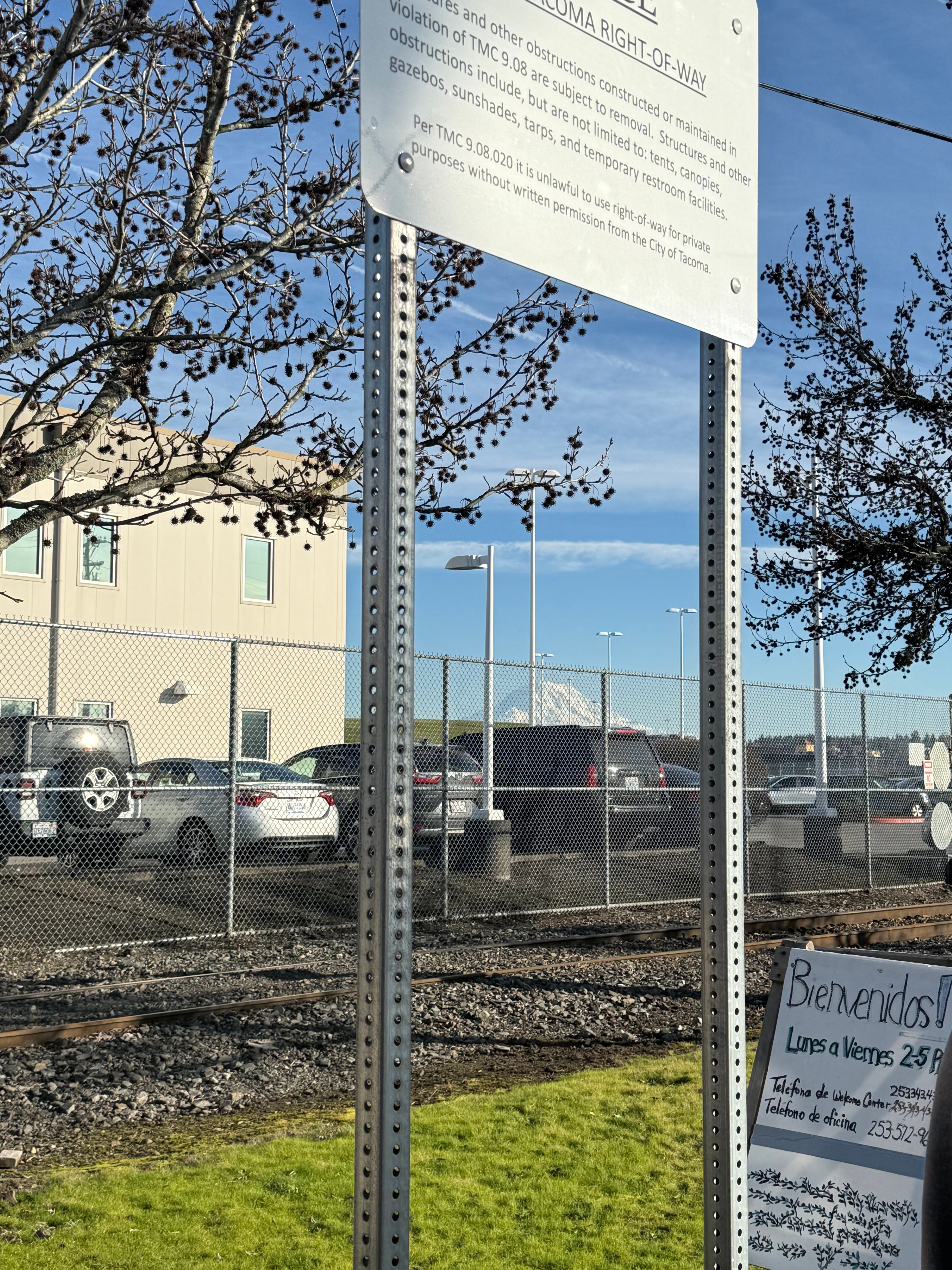
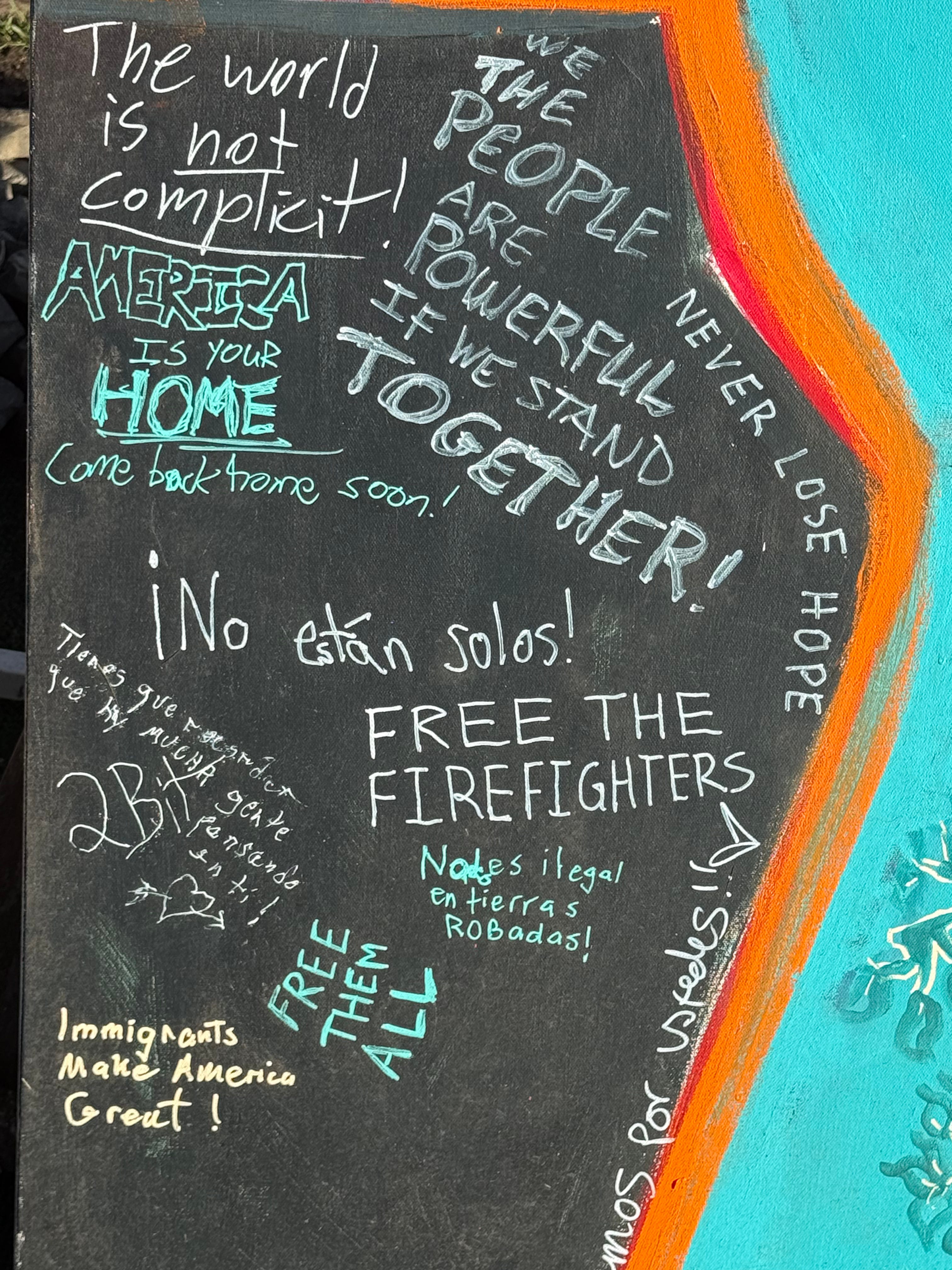
This afternoon my mom and I spent some time outside the Northwest ICE Processing Center, formerly known as the Northwest Detention Center, one of the largest immigration prisons in the US. It is a short 12-minute drive from the house where I grew up, hidden in the heart of Tacoma’s industrial tideflats, not far from the site of the lumber mill where my great-grandpa worked and died. Like many ugly places in my hometown, it is blessed with a stunning view of the Mountain.
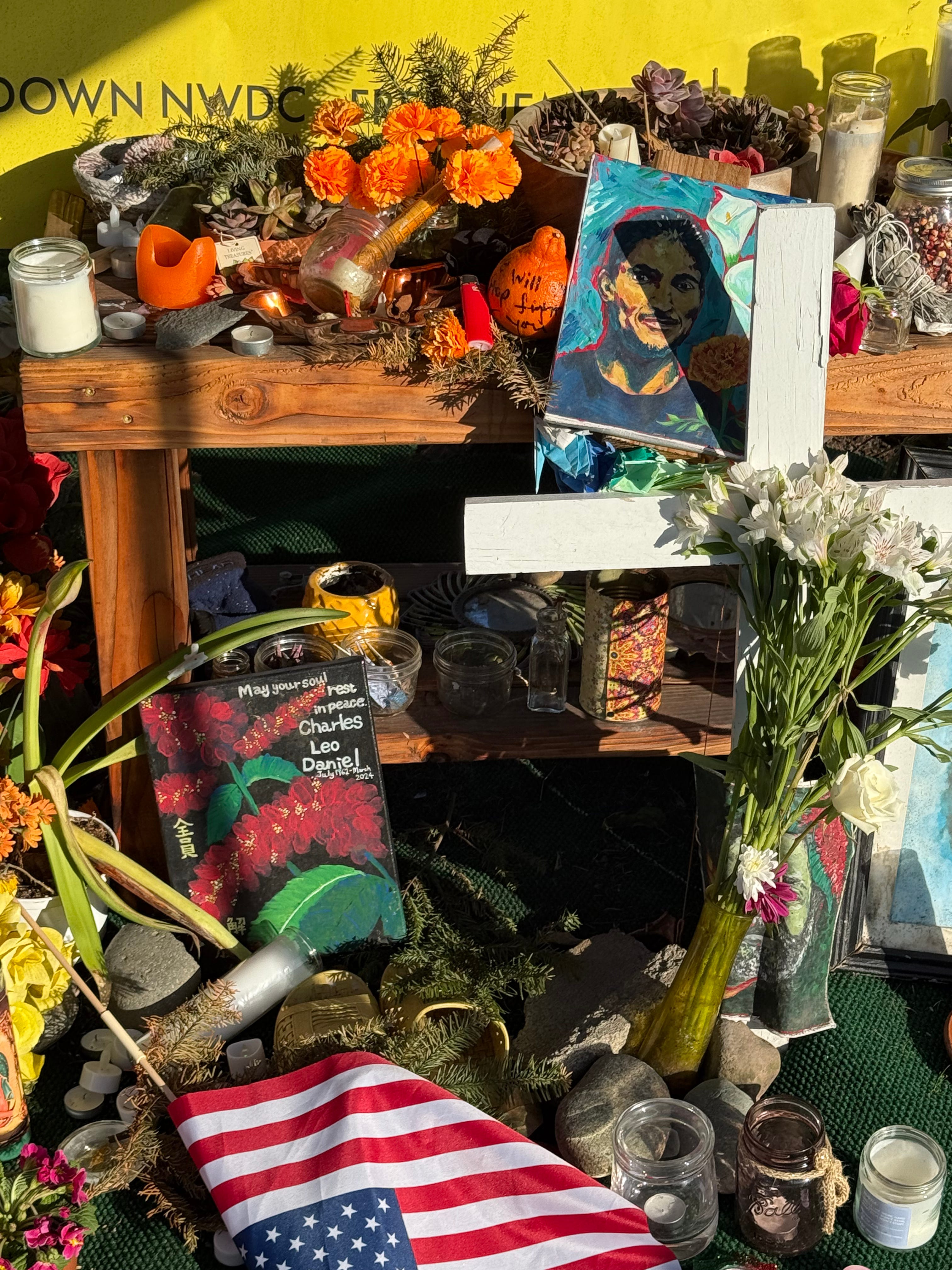
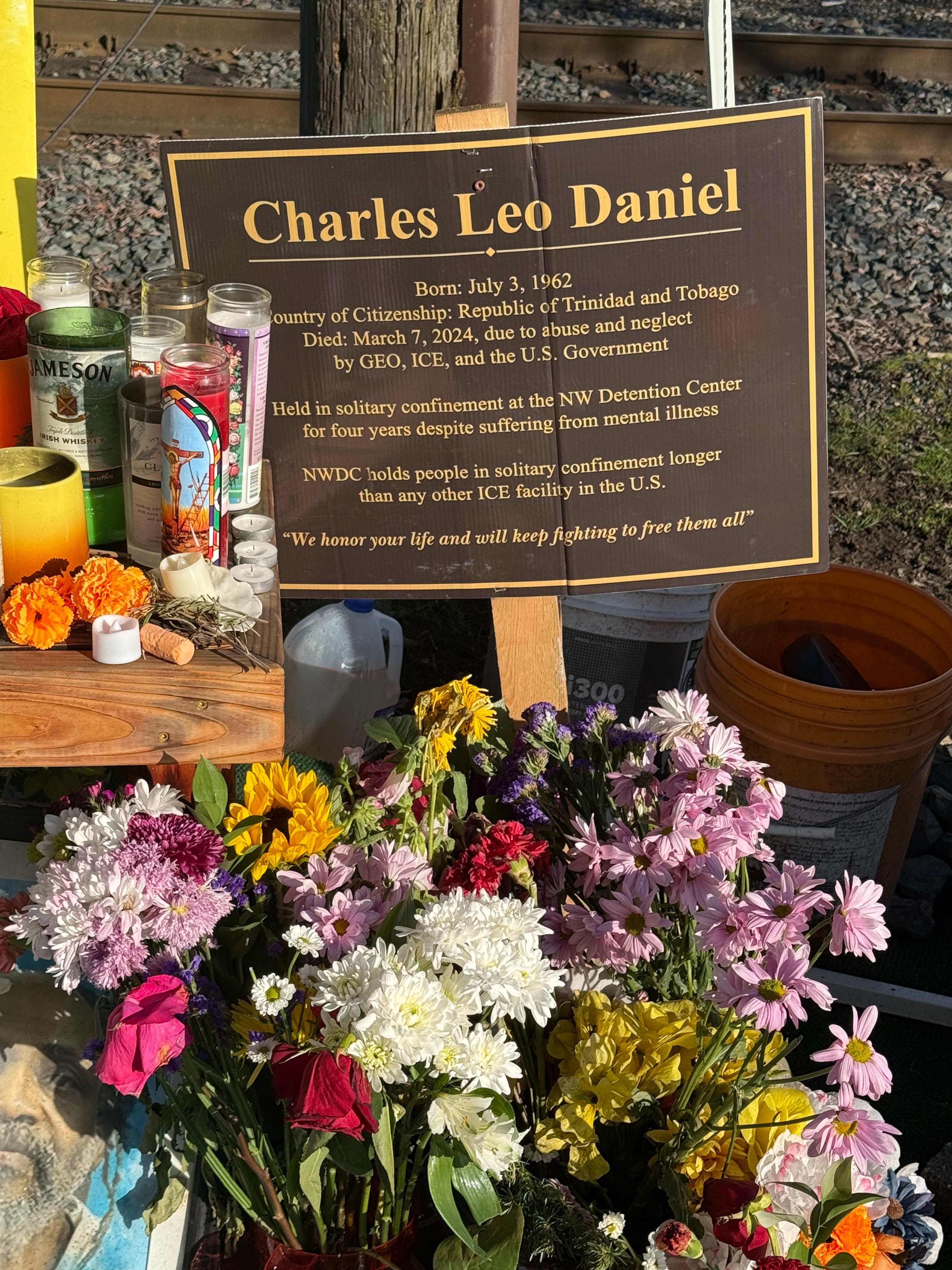
The prison has featured in dozens of horror stories I’ve read over the last year about Aunty Lynn, Ate Michelle, Kuya G, Becky Burke, and others— just a small sample of the 1,575 or more people who are incarcerated there at any given time. It is run by the for-profit Florida-based GEO Group, and long before Trump was re-elected, its reputation was exceptionally grim: migrants there are less likely to be granted bond, more likely to spend long periods in detention, and more likely to be deported than at immigration prisons elsewhere in the country. Many people there are held in solitary confinement. A couple years ago, Charles Leo Daniel, a detainee who had been in solitary there for almost four years, died in his cell, allegedly by suicide. In 2023, many detainees went on hunger strike to protest their treatment.
My mom and I drove down together to pray. We didn’t know what to expect. What we found (as Mr. Rogers would have hoped!) were the helpers.
Every afternoon from Monday through Friday, volunteers from AIDNW (Advocates for Immigrants in Detention Northwest) wait to welcome and help released detainees. There are between 2 and 10 people released from detention on any given day. AIDNW has tents set up by the gates and an RV parked nearby, ready to provide people with clothes, backpacks, phone and internet access, and hot coffee. Volunteers are also on hand to drive people to the bus station or airport.
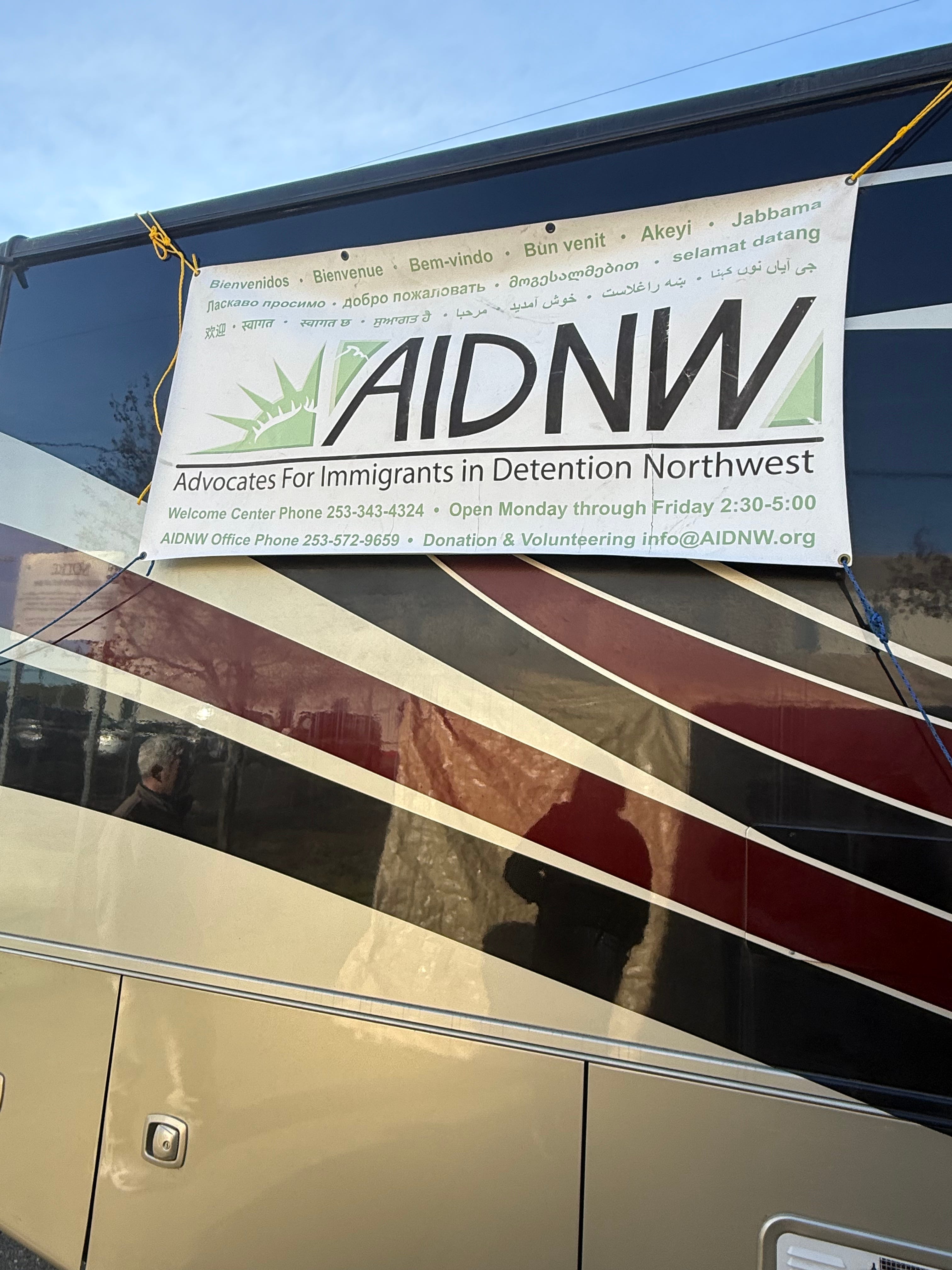
Currently AIDNW needs men’s shoes sizes 8 through 11, new or lightly worn. (If people were detained in flip flops, they are released in flip flops, no matter what the weather.) AIDNW also stocks a book and puzzle library in the prison, and books in any language other than English are welcomed, especially Spanish, but also Arabic, Russian, and “any Asian language.” You can also donate plain old money, should you wish to.
Anyone can visit people in detention. One of the volunteers we talked to visits three men regularly, for an hour each time. My mom said, what is that like? He said, they all miss their families. We talk about their families.
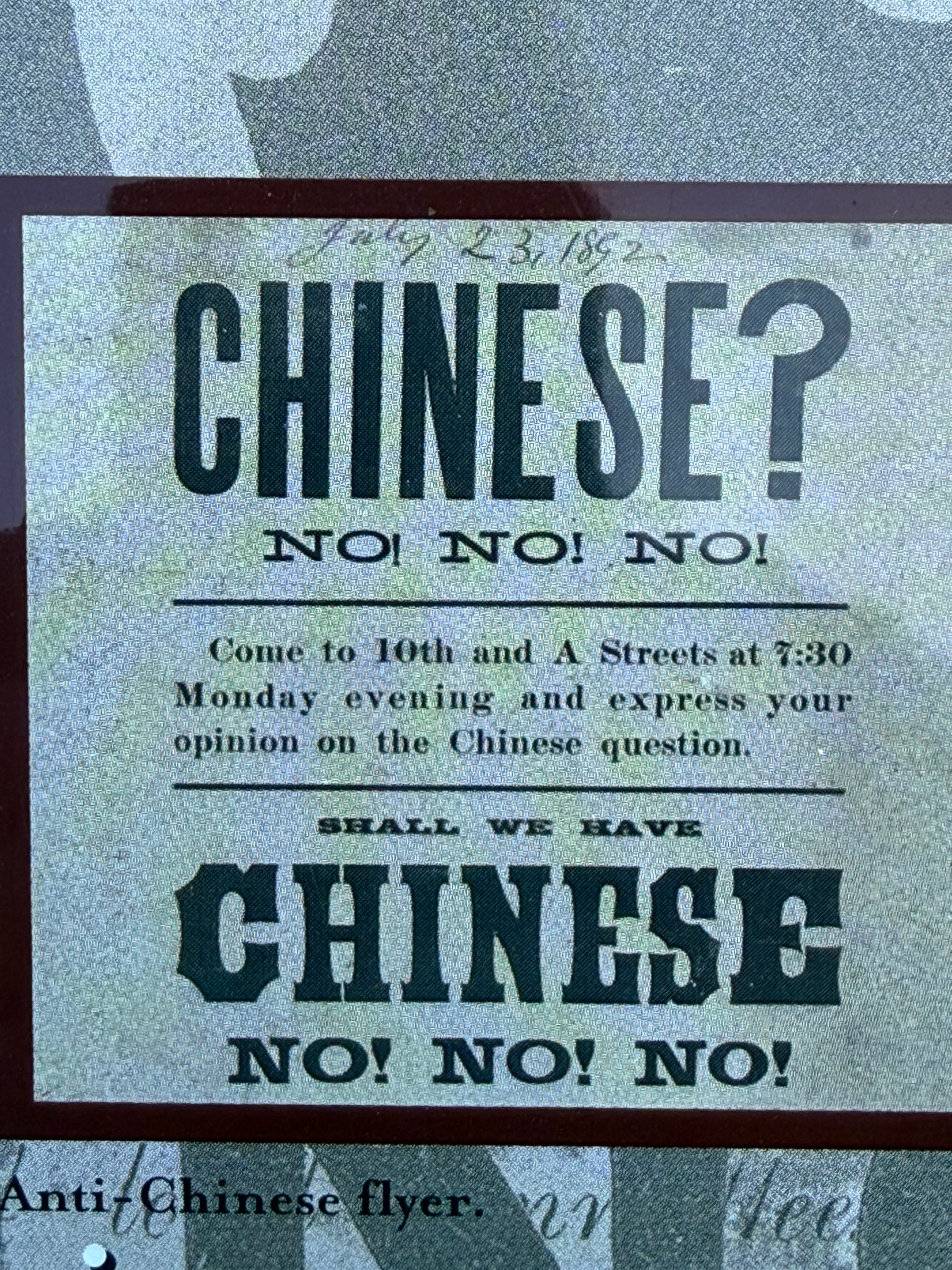
On our way home, my mom and I stopped by Tacoma Chinese Reconciliation Park, which commemorates the awful history of “The Tacoma Method”— a euphemism for Tacoma’s way of treating Chinese people in 1885, which was to drive them from their homes at gunpoint, deport them to another state, and raze their neighborhood to the ground. The white men who organized this particular xenophobic mob were indicted, but juries refused to convict them. Instead, they were hailed as heroes and proceeded to run the city for decades. Around the country, “the Tacoma Method” was variously reviled as a violation of American values or held up as model for how to ethnically cleanse your own city. Chinese people did not return to Tacoma for 40 years.
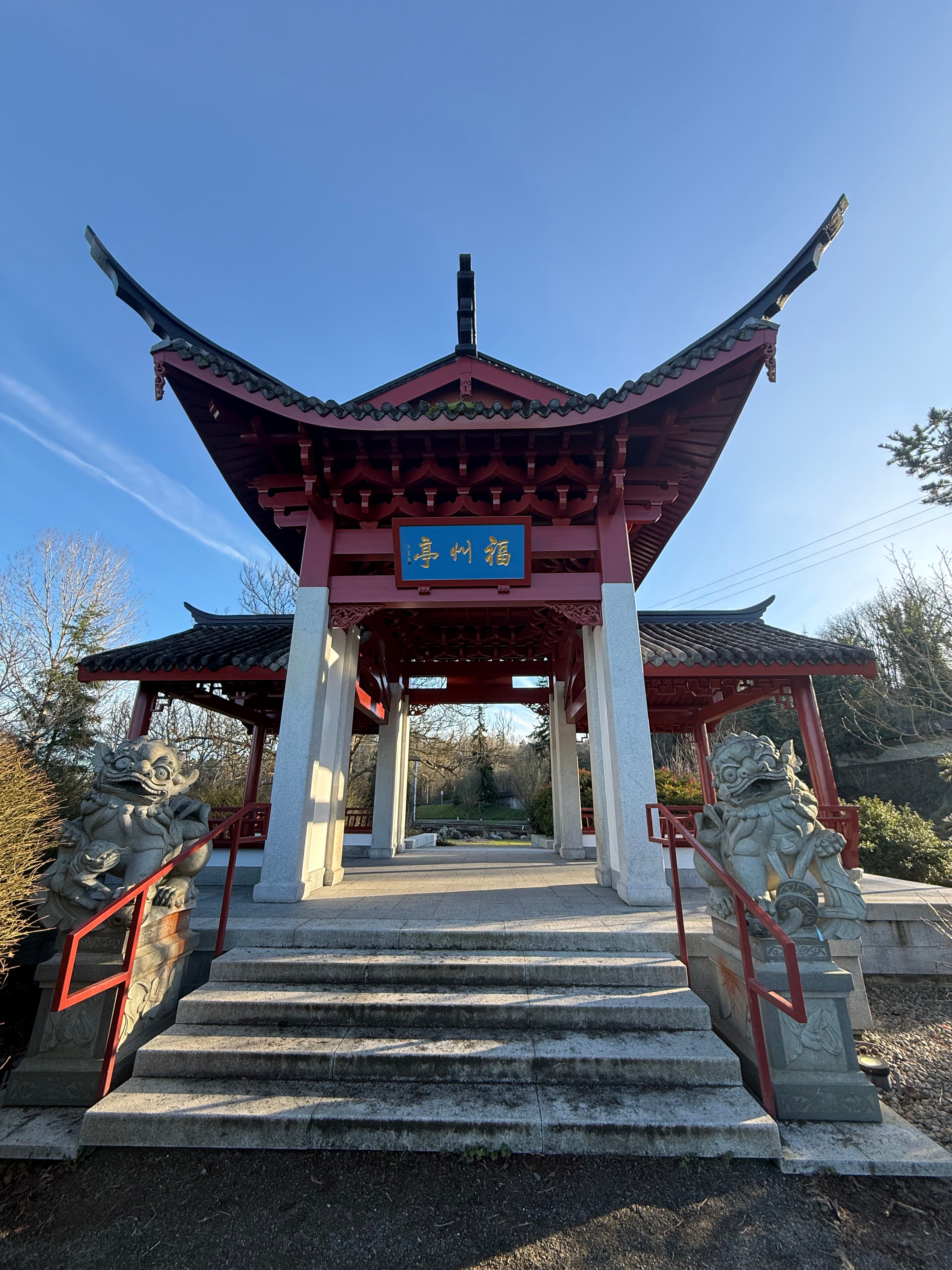
The park is a peaceful stretch of ground by Puget Sound, with sculptures and a bridge and historical placards and beautiful hand-carved lions donated from China, which were viciously vandalized ten years ago, their teeth knocked out, their tongues ripped out.
Every day, Americans wonder: Is this fresh hell on earth “not who we are”? Or is it the way we always were? Today on our Tacoma Misery Tour I was leaning towards the latter.
Later this week I’ll continue the tour with a walk to my alma mater, where a cherry grove commemorates the Japanese American students at the College of Puget Sound who were incarcerated during WWII by our “Four Freedoms” president FDR. And I’ll visit the Washington State Fairgrounds a few miles away where my grandparents got engaged in September 1946, maybe after they rode the Ferris wheel and shared a delicious Fisher’s scone. Just a few years earlier, the fairgrounds hosted “Camp Harmony,” an incarceration camp.
What to even say? In this country we are almost always on unhallowed ground. But I’m going to look for the helpers and do my best to be one.